Fundamentals 8 min read
What is SCADA and how does it work?
SCADA collects data from field devices and gives a control center monitoring, alarms, history and remote control. Its parts, how it works and where it is used.

YTCC is an advanced SCADA/HMI platform with a core written in Rust. It runs on your own server; you design and operate from the browser.
YTControl was founded in 2017 by engineers with over 20 years of field experience in safety-critical automation, and is based at Istanbul Teknopark.
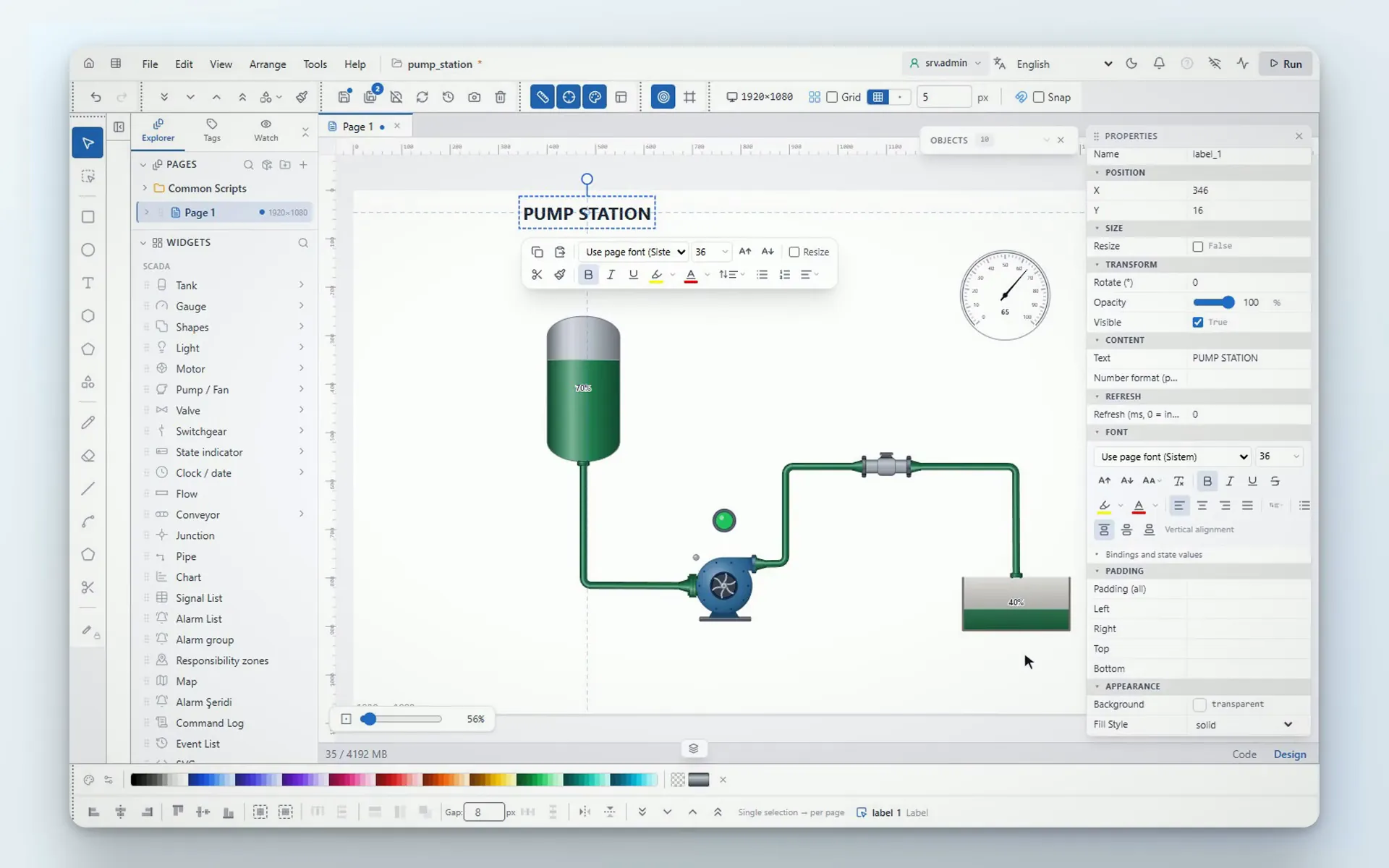
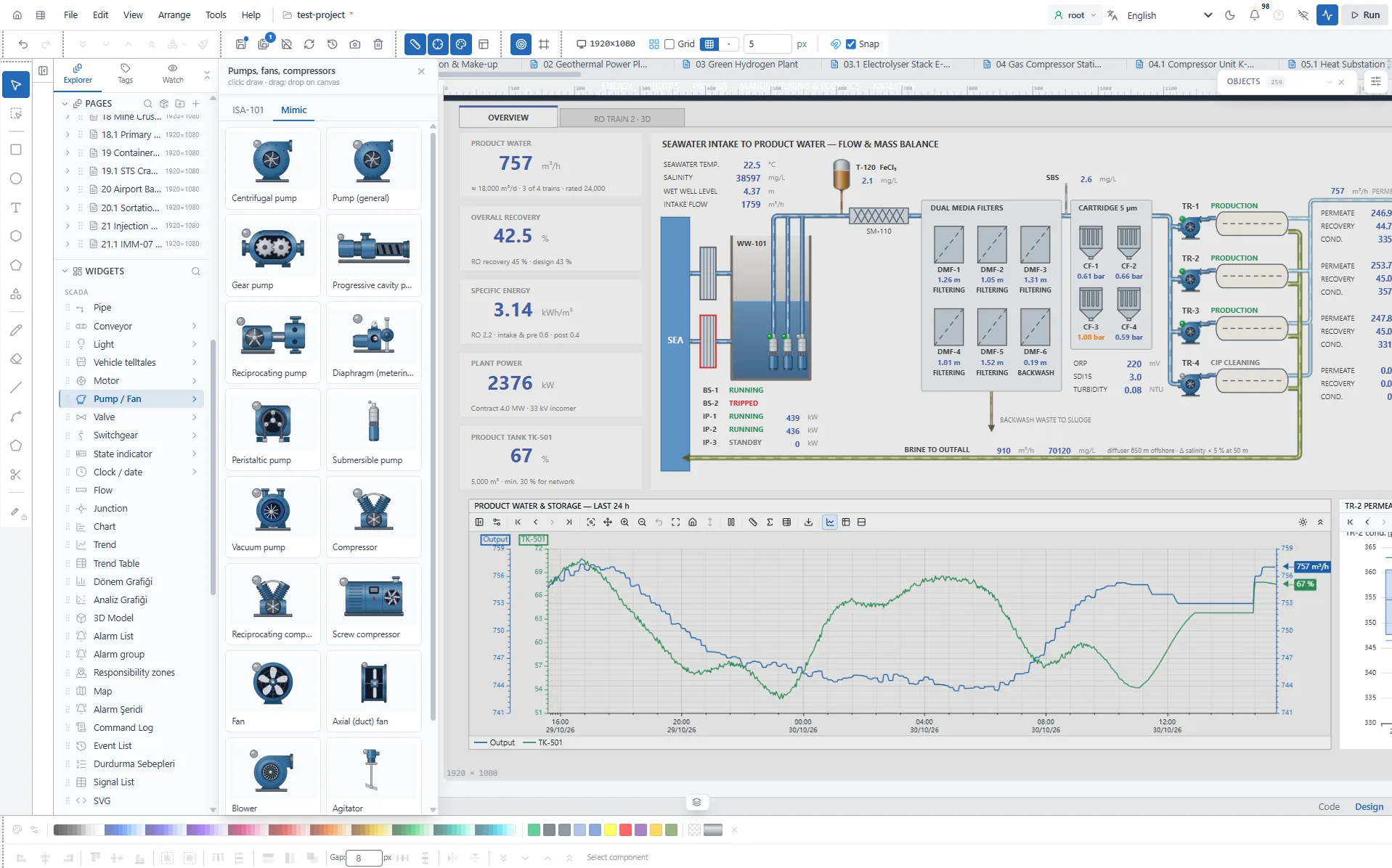
YTCC is the SCADA/HMI platform YTControl develops. You design screens, alarms and scripts in the browser and run them from the same place.
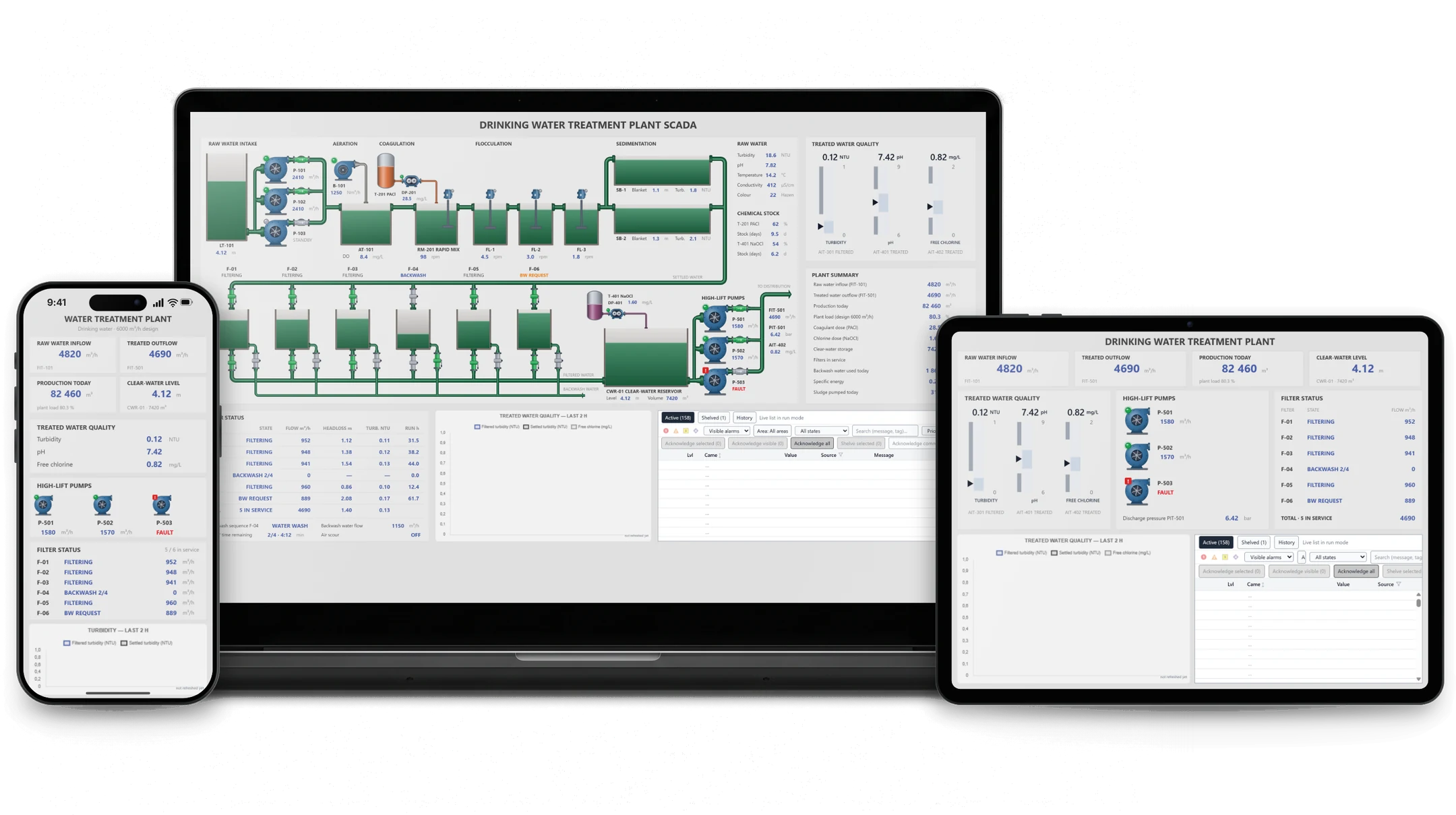
YTCC runtime screens run in the browser, so you can open them from computers, tablets and phones on your local network.
YTCC with AI
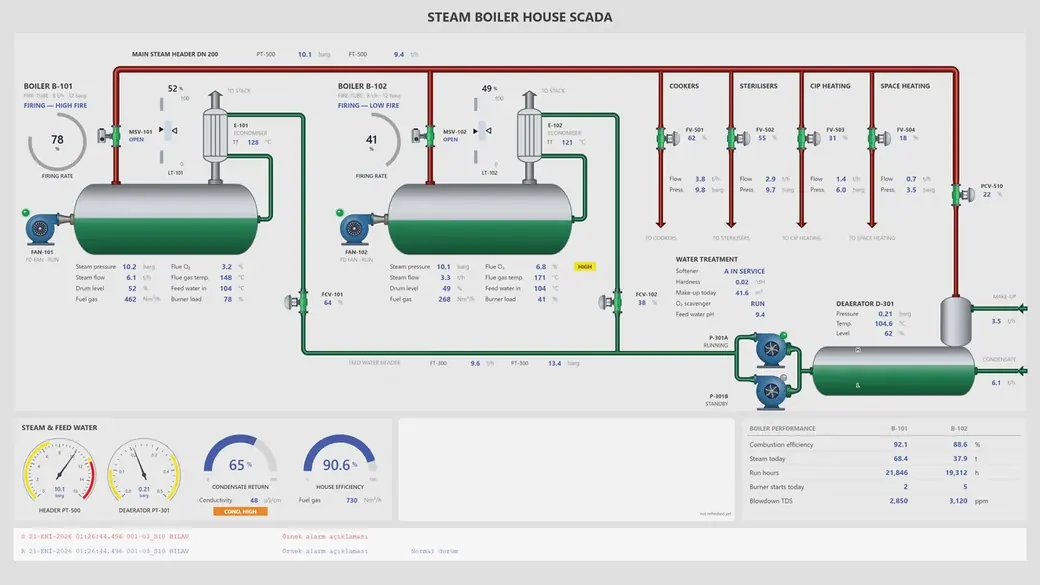
Connect your AI client to your YTCC project over MCP. Write what you need, and AI builds the SCADA screen, the symbol and the 3D object.
“Draw a SCADA screen for a steam boiler house.”
Install it on your own server, then design and run screens, alarms and scripts from the browser.
Explore the platform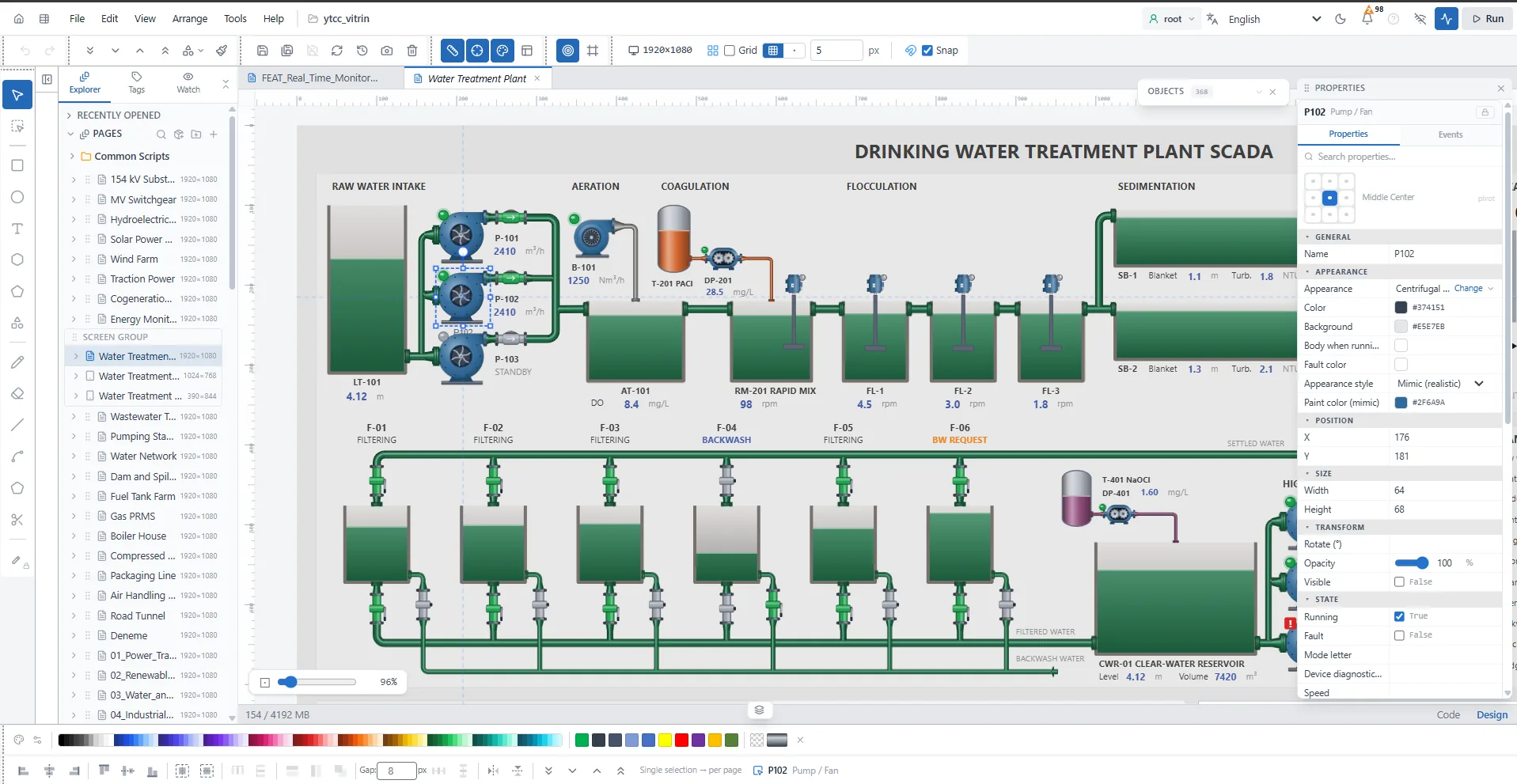
Each screen asks only for the signals it shows.
When a link drops, an alarm comes in and the value changes color.
Every command is logged with its sender, and none goes out while the link is down.
Watch server, disk and driver status through system signals.
Screen editor
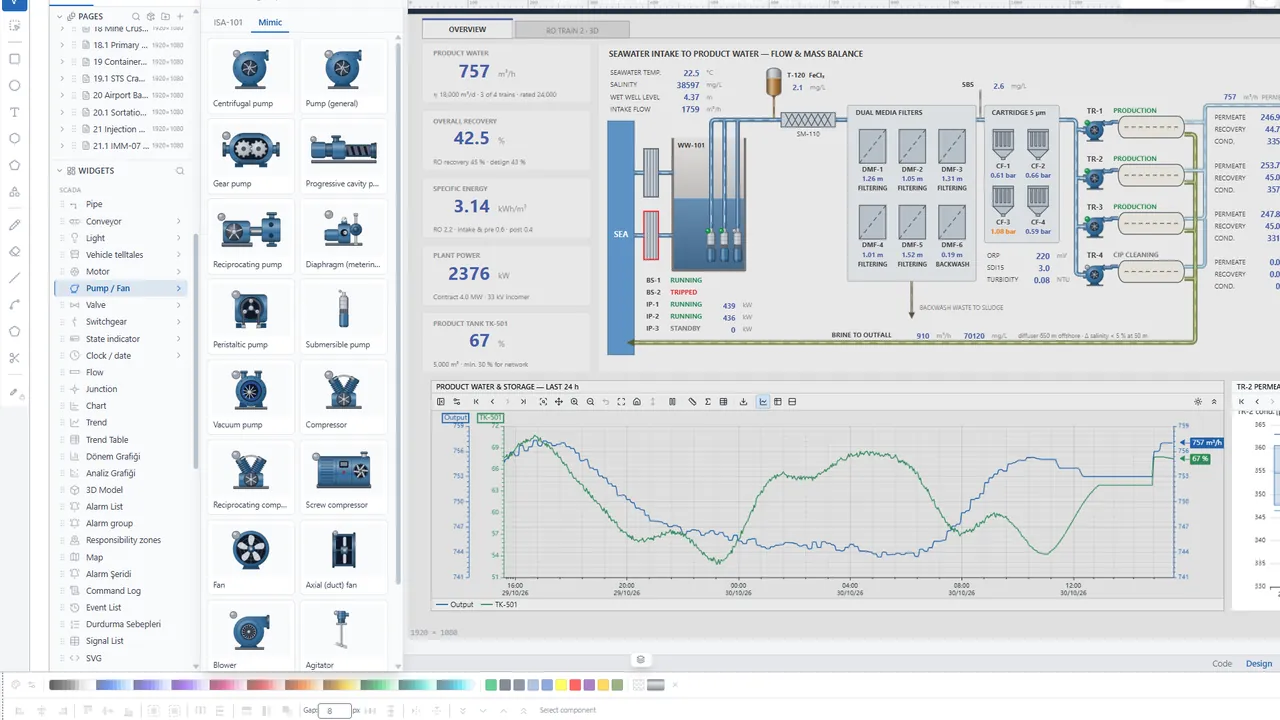
Drag ready-made pump, valve, gauge, electrical and HVAC symbols onto your screen and bind them to signals.
Explore the Symbol LibraryMimic Design
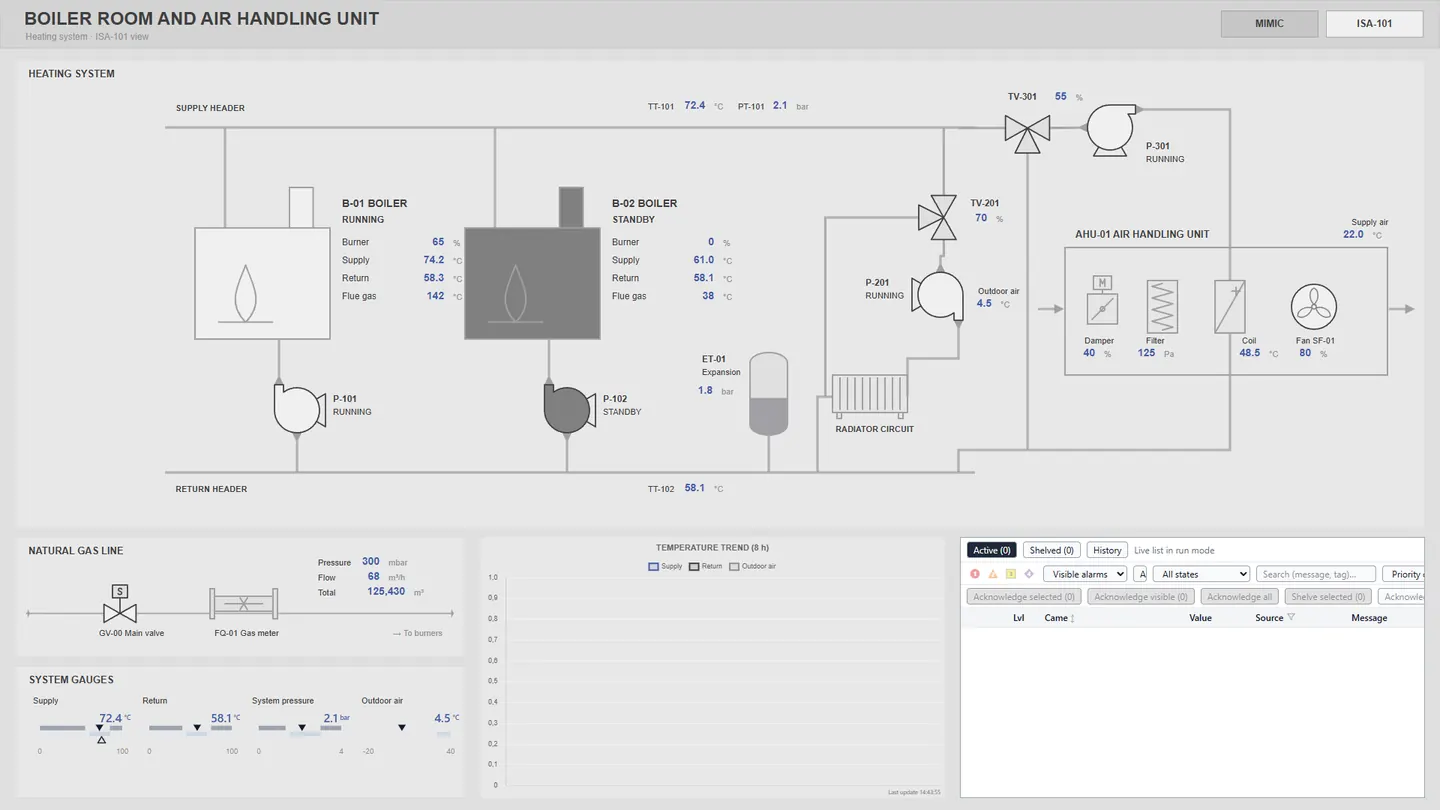
ISA Standard Design
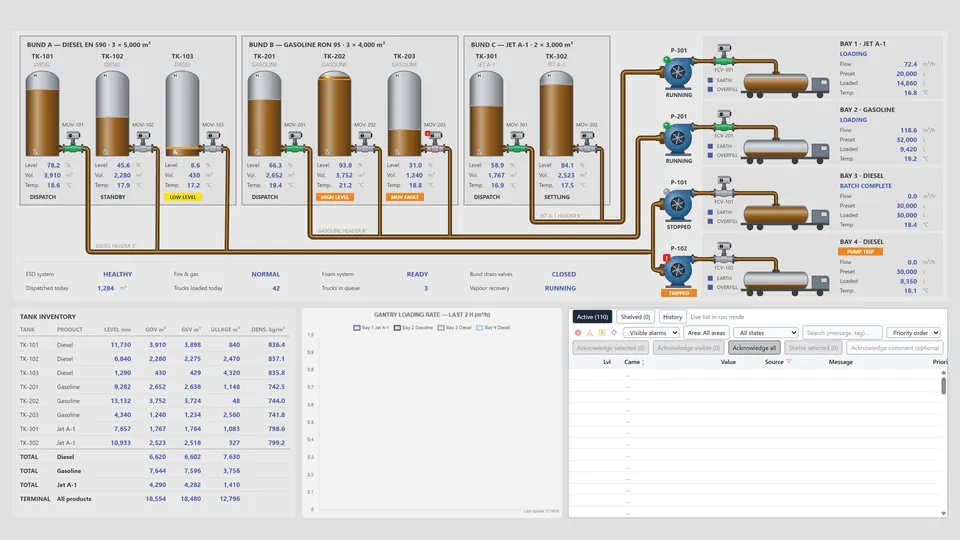
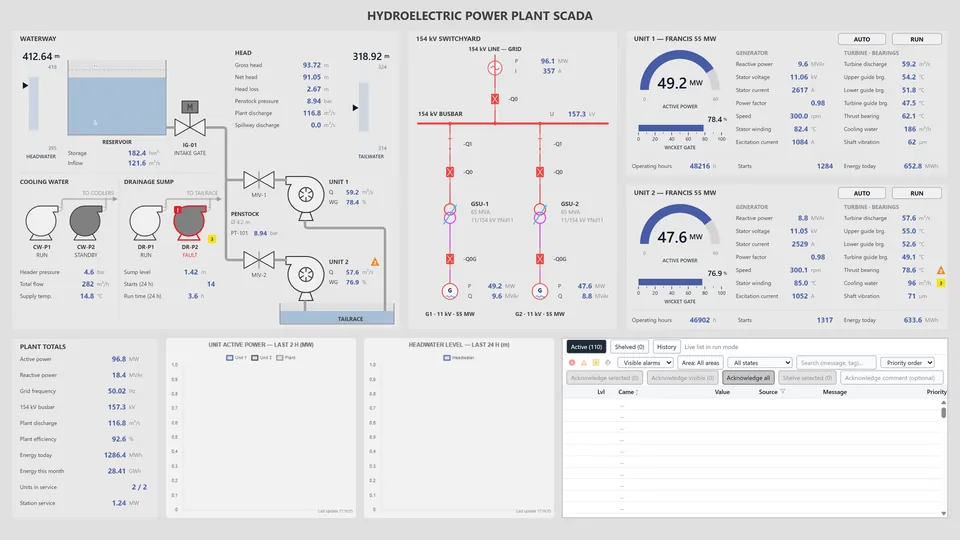
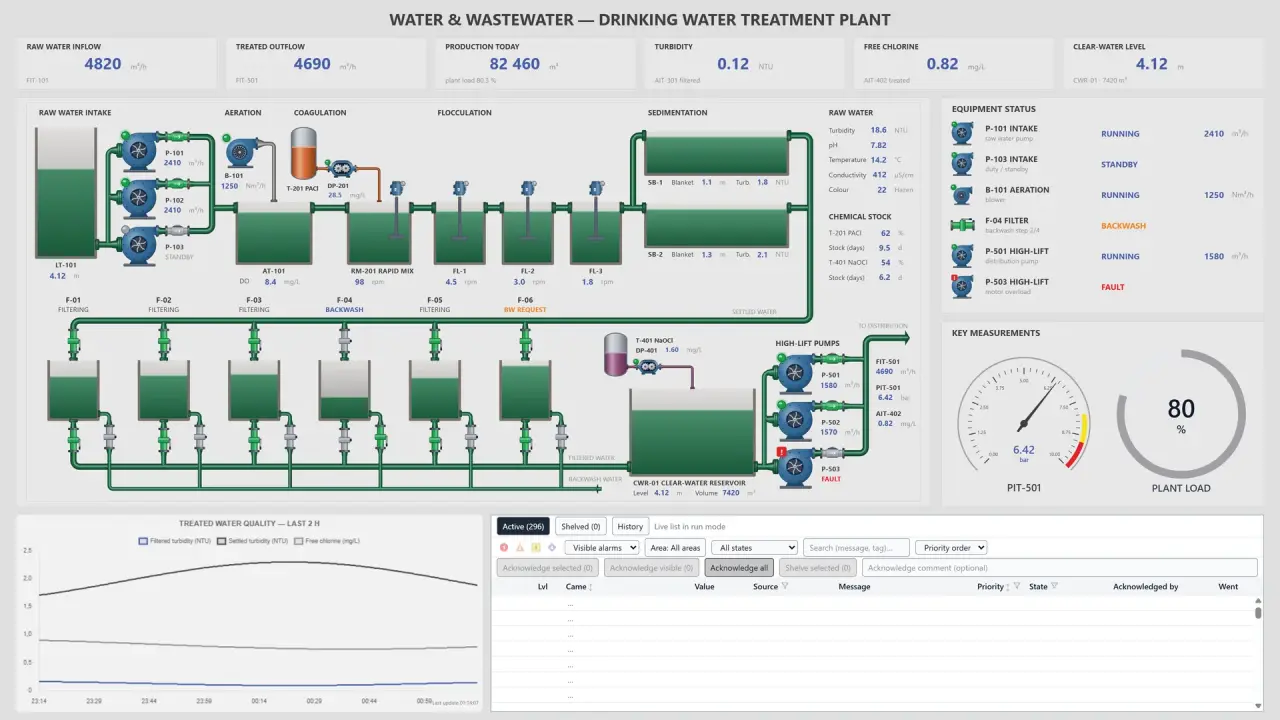
YTCC (YTControl Control Center) is a web-based SCADA/HMI platform from YTControl, with a core written in Rust. It runs on your own server and collects data from field devices. You design screens, alarms and server scripts in the browser and monitor your plant from a computer, tablet or phone on your local network.
Not to add or remove a point or change an address: the main drivers keep running. A driver-wide setting does need the driver to restart.
YTCC communicates over Modbus TCP, Siemens S7, OPC UA, IEC 60870-5-101, IEC 60870-5-104, IEC 61850 (MMS), DNP3, BACnet/IP, MQTT, SNMP, Beckhoff ADS, and EtherNet/IP.
YTCC restarts a crashed driver on its own. If a device loses its link, an alarm comes in for that device.
The server checks permissions, so a user without the right cannot send a command. A command sent while the link is down is rejected, and a failed command raises an alarm.
Yes. You define the roles and decide who can edit screens, acknowledge alarms or send commands. You also set the password rules and account lockout.
On your own server. The server runs on Windows 10/11 (x64) and Linux (x86-64). There is no macOS package; you connect from your Mac in a browser.
Your server needs PostgreSQL and Node.js before you install YTCC. YTCC keeps the history of measurements, alarms and events in a PostgreSQL database. Install an LTS release of Node.js: 20 or later on Windows, 22 or later on Linux.
Yes. Back up the project to a single file and import it into YTCC on the new computer. Measurement and alarm history and driver certificates stay out of the file.
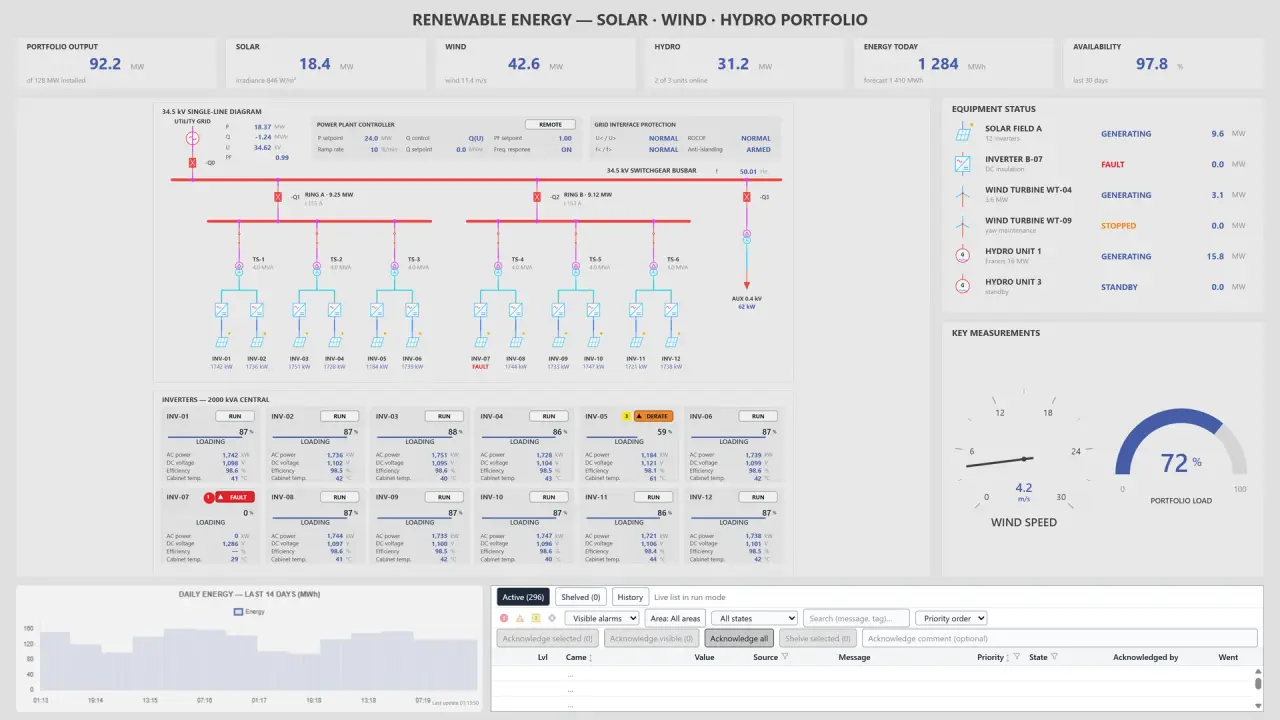
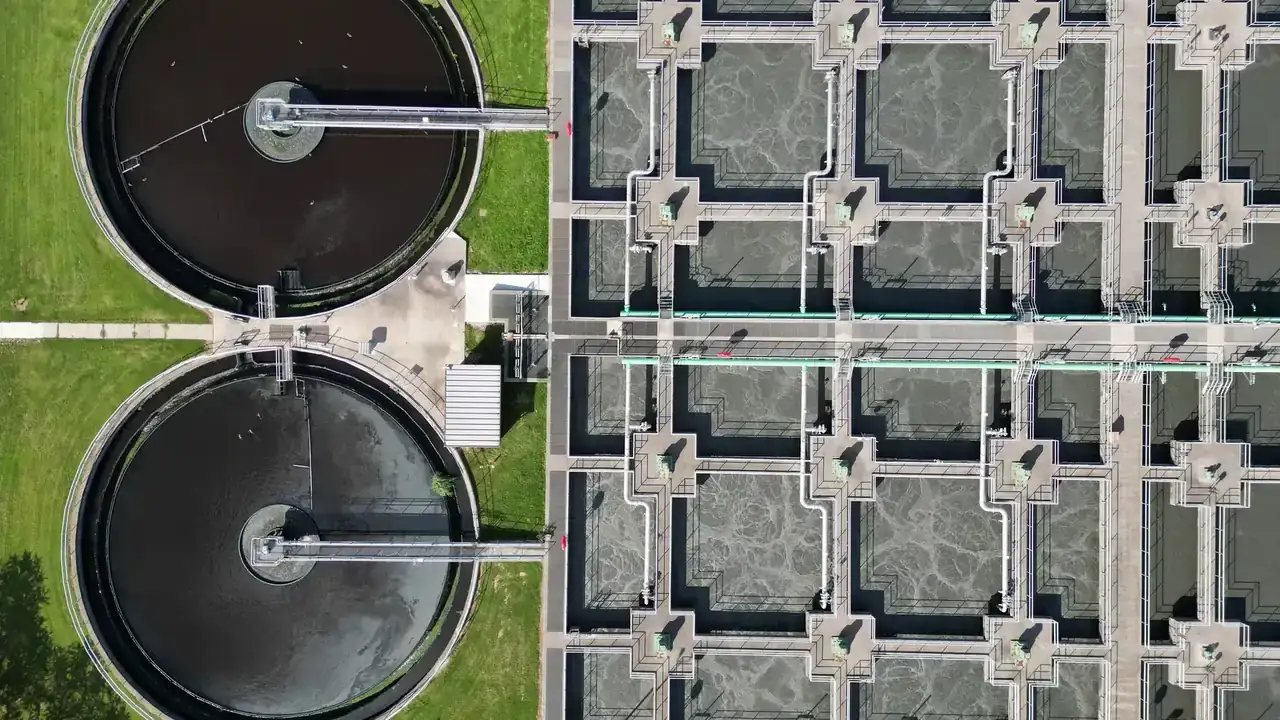
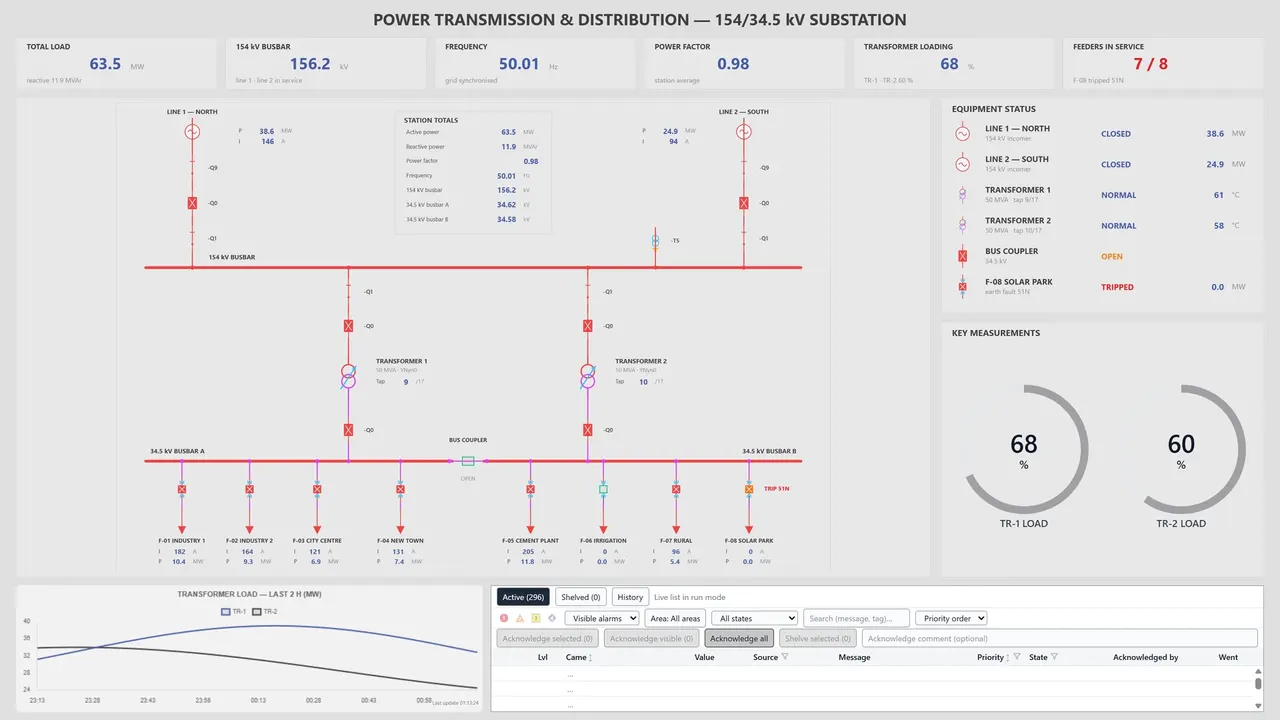
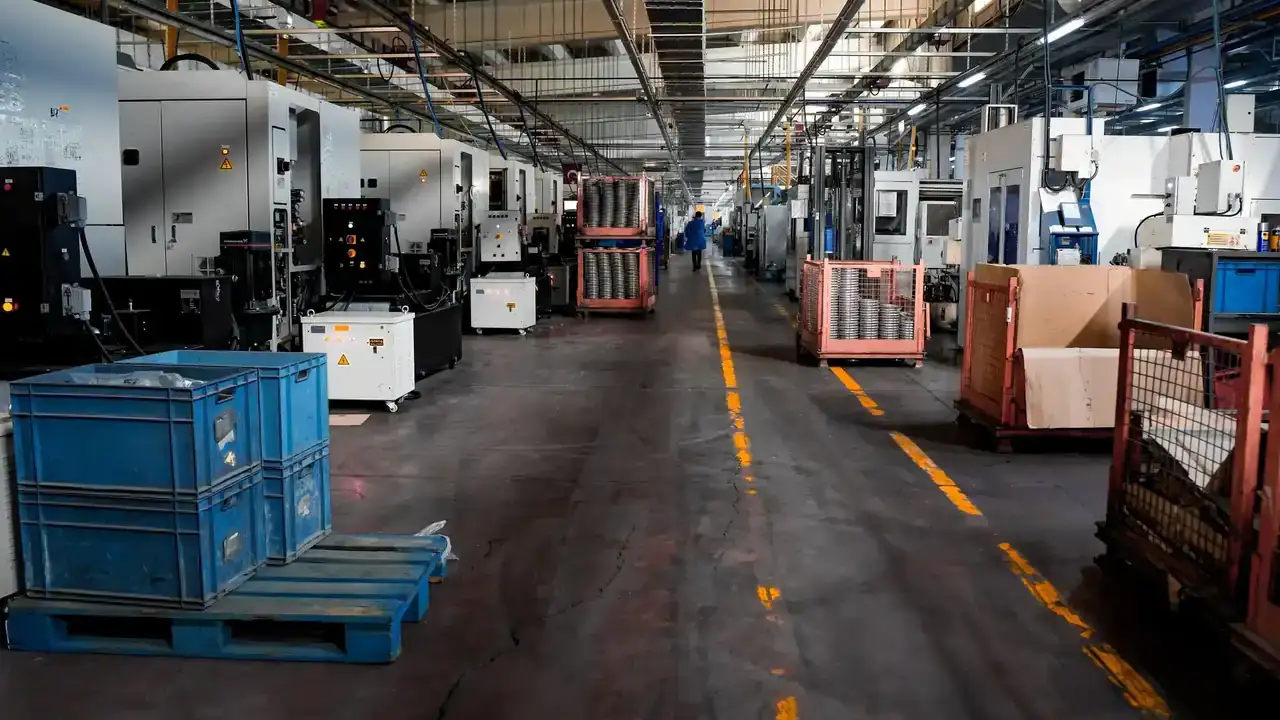
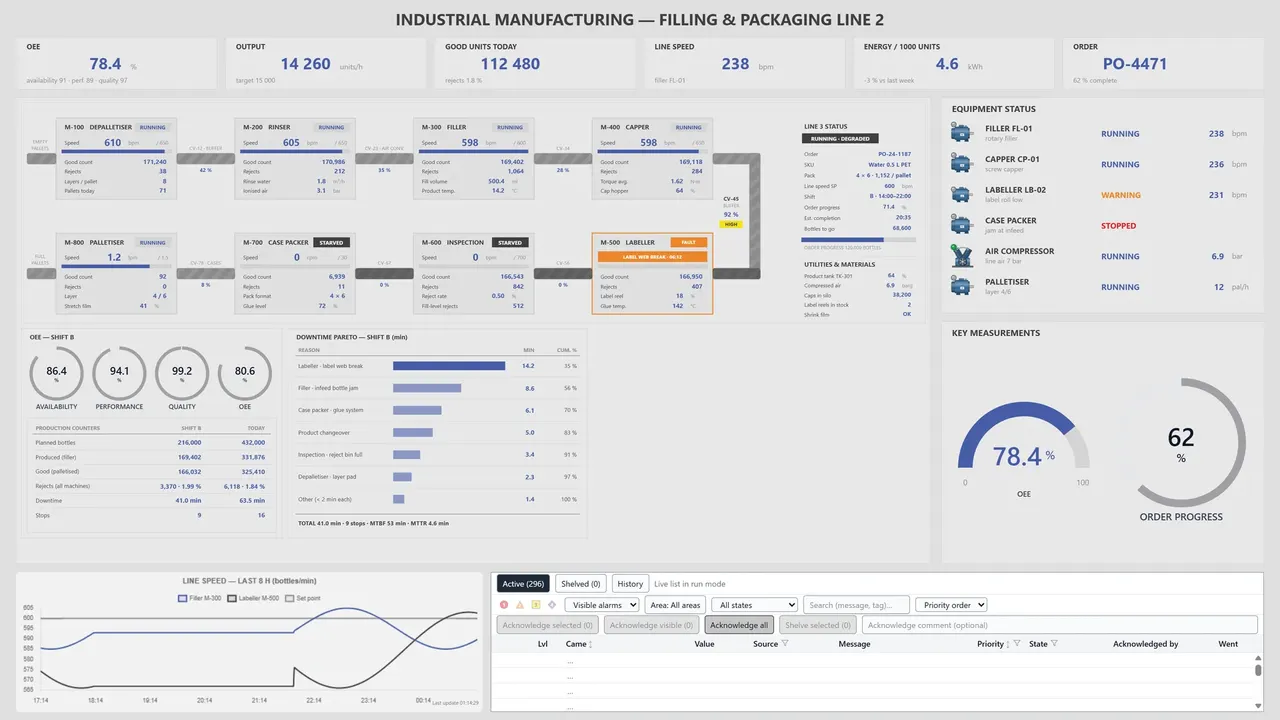
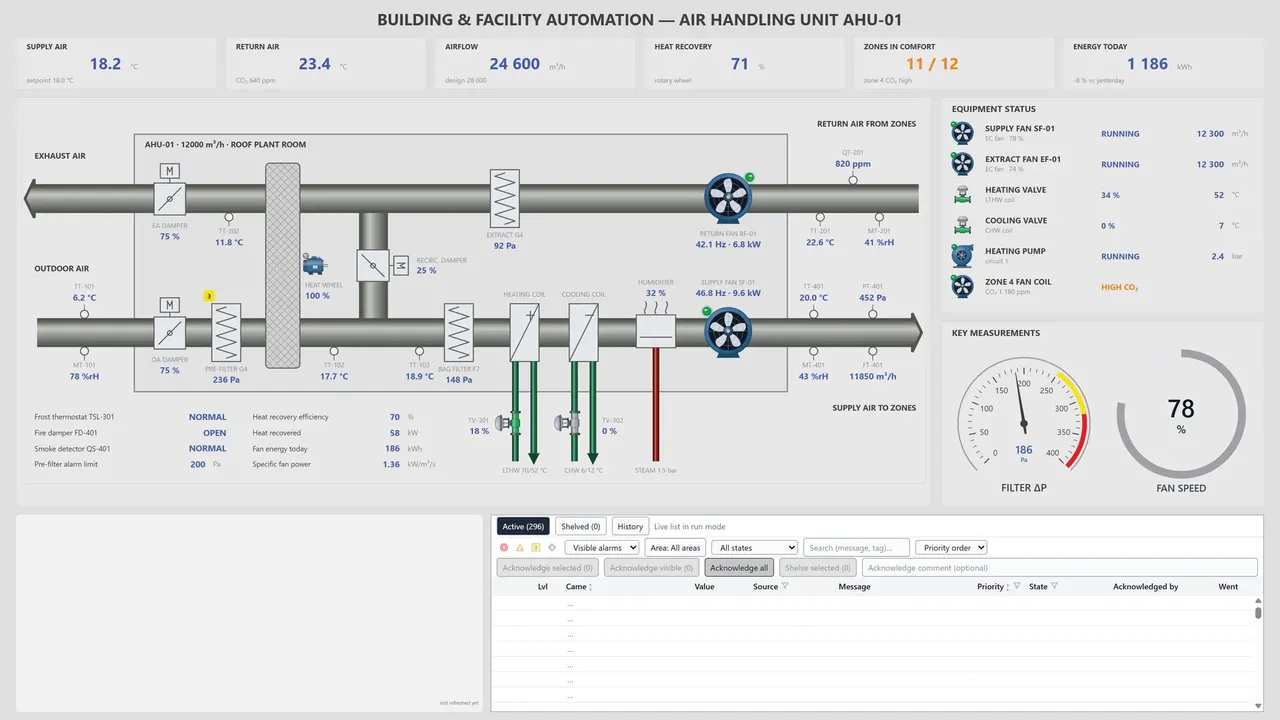
YTCC's target industries are power transmission and distribution; renewable energy (solar, wind and hydro); water and wastewater; industrial manufacturing; building and facility automation; transportation infrastructure; oil and gas; and agriculture and irrigation.
A CU is the unit of a YTCC license. YTCC counts the protocol drivers and power tags in the projects running on a server; a power tag is an active signal point bound to a driver. It does not count user accounts, runtime screens, alarms or features. 80 CU or less is free, commercial use included.
Fundamentals 8 min read
SCADA collects data from field devices and gives a control center monitoring, alarms, history and remote control. Its parts, how it works and where it is used.
Fundamentals 9 min read
What to check when you choose SCADA software and what to ask each vendor: protocols, the engineering tool, clients, alarms, historian, permissions, the license model and a trial.
Fundamentals 7 min read
A PLC controls in the field, an HMI shows the process to the operator, SCADA watches scattered sites from a control center and a DCS runs one plant's process as a single system.
Protocols 9 min read
IEC 104 on the wire, from the connection on port 2404 to general interrogation and select-before-operate: I, S and U frames, k and w, t0 to t3, type IDs and causes.
Protocols 6 min read
OPC UA, the vendor- and platform-independent standard for industrial communication: clients and servers, the address space, subscriptions, security modes and certificates.
Protocols 7 min read
The two TIA Portal settings a SCADA system needs to read S7-1200 and S7-1500 CPUs over the S7 protocol, plus optimized block access, absolute addresses and security.
Architecture 8 min read
What runs on the server of a browser-based SCADA system, how a value reaches the screen and how a command reaches the field: processes, WebSocket, SVG screens and security.
Fundamentals 4 min read
In web-based SCADA, screens, alarms and configuration live on the server, and engineers and operators work in a browser. The architecture, what it changes and what to ask.
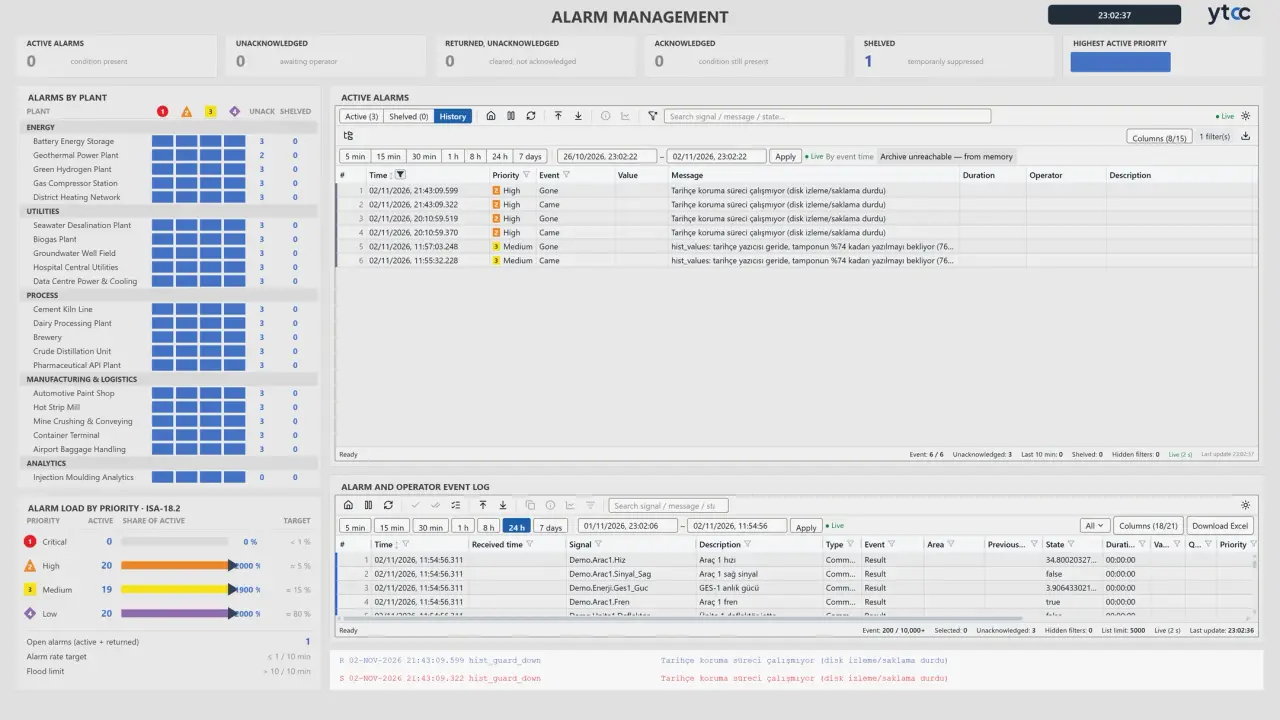
Alarm management 4 min read
One fault can set off hundreds of alarms within minutes. The common causes of alarm floods, and the ways to bring the alarm load back to what an operator can handle.
Protocols 5 min read
The two most common protocols between RTUs and the control center in power and water systems: data models, events and time stamps, security, and what decides the choice.
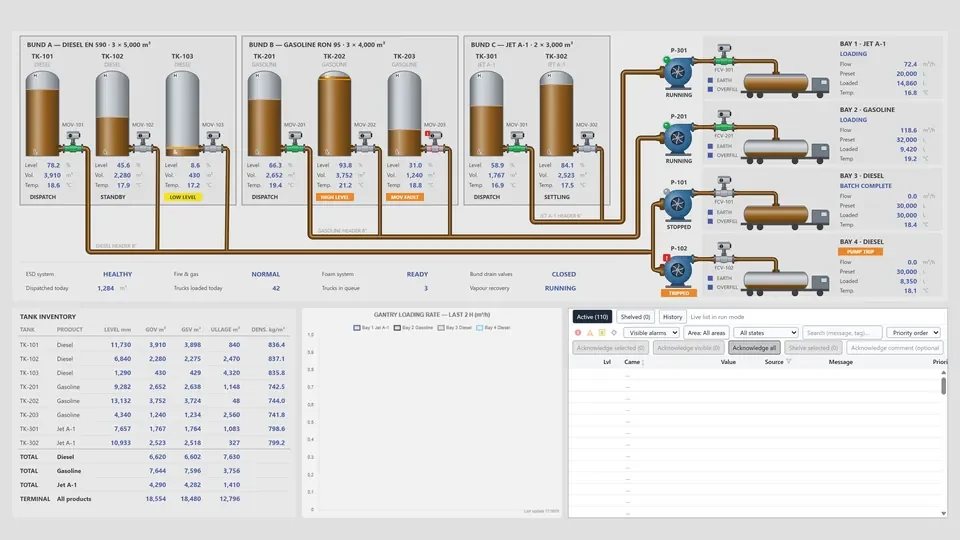
Screen design 3 min read
Gray backgrounds, few colors and indicators with context help operators notice abnormal situations. The core principles of the high-performance HMI approach.
80 CU or less is free, commercial use included.